Cita:
Originalmente publicado por xomorro

 Don’t Let it Flood
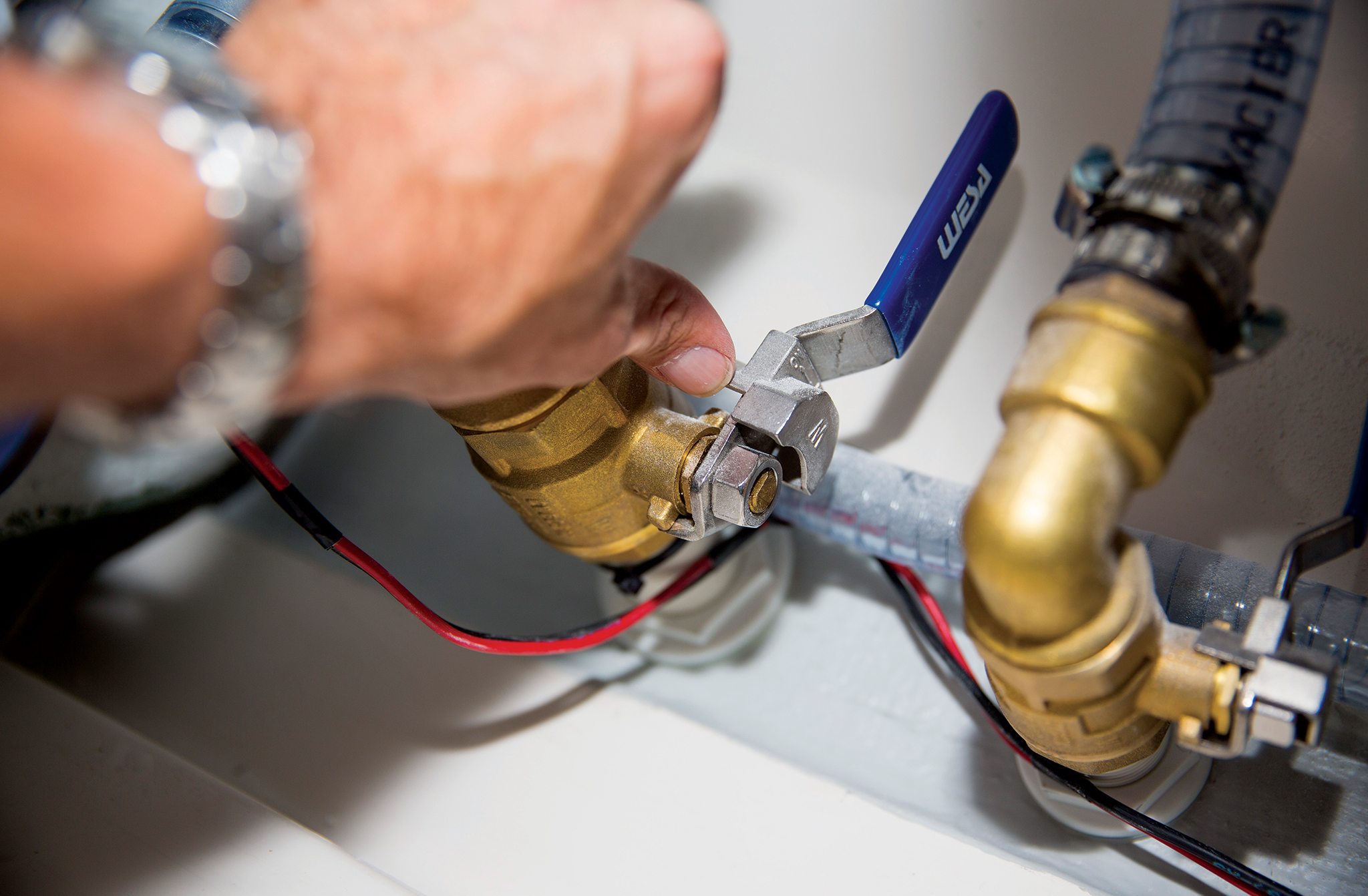
Turning over the engine activates the saltwater pump. The water then makes its way via the heat exchanger to the exhaust system. With the engine running, pressure from the exhaust literally blows the water out, silencing and cooling the exhaust at the same time. Unfortunately, if you are trying to start a reluctant engine—after bleeding the fuel system for example—you may find yourself cranking it a longish while to get it going, and during this time there’s no exhaust-gas pressure. As a result, you can occasionally end up with water running back into the cylinder head with horrible results. The solution? Shut the seacock before potentially prolonged cranking. Just remember to open it up again as soon as the engine fires!
http://www.sailingmagazine.com/diy/s...ip-of-the-week |
Exacto!!
De hecho en mi barco,tiene una pegatina que ya lo advierte pegada justo donde va el paro motor que dice lo siguiente:si esta mas de 30segundos arrancando el motor sin conseguirlo,cierre la valvula de alimentacion de agua,una vez arrancado vuelva a abrirla inmediatamente.