

|
|
|
|
| VHF: Canal 77 |  |
 |
 |
 |
 |
|
|||||||
| Avisos | ||||
|
 |
|
|
Herramientas | Estilo |
|
|
|
#1
 06-08-2013, 23:19
|
||||
|
||||
 Re: Viento real sin corredera con GMI10 o i70?
Cita:
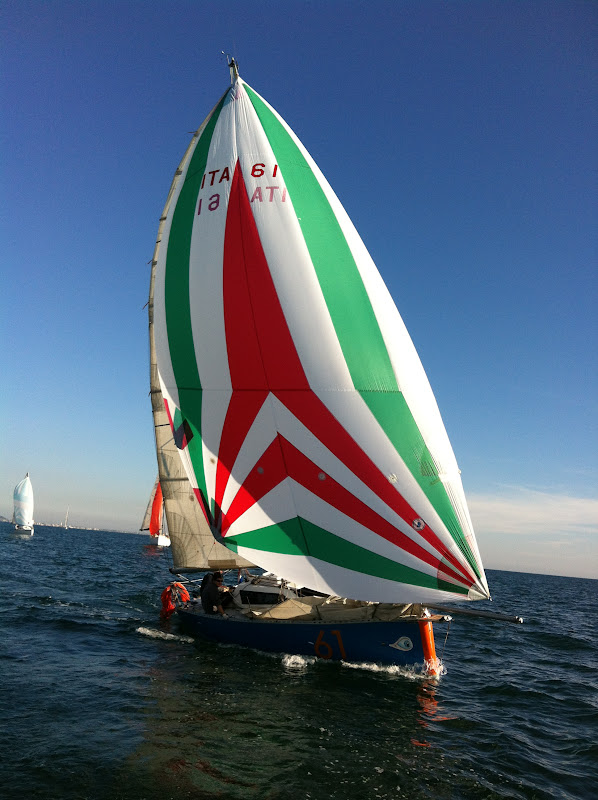 Y yo mismo a 50 de aparente con 80 de real, OBVIAMENTE con otra vela de proa.  Mismo aparente, otro REAL, otra VELA, y punto, mirando el aparente jamás sabría que vela poner, mirad las polares de cualquier barco y lo vereis. 
|
|
#2
07-08-2013, 00:41
|
||||
|
||||
|
Re: Viento real sin corredera con GMI10 o i70?
Por eso te decía que tenías toda la razón.
El real nos sirve para escoger la vela que utilizaremos (según las polares) para llegar más rápido a nuestro destino. Peeeeeero una vez la vela arriba, utilizamos el aparente para sacarle el rendimiento que las polares dicen que debemos sacarle. Por un lado trimando las velas en función del rumbo, y por otro con el juego de timón para que una vez establecido el flujo podamos mantenerlo sin entrar en pérdida.  Me encantan estos temas. Si no estuviera de vacaciones por ahí, sería un poco más participativo. 
__________________
~~~~~~~~~~~~~~~~~~~~~~~~~~~~~~~~~ El mar es de TODOS. Lo que es de TODOS, NO ES MÍO.  "No hay nada como el MAR" "No hay nada como el MAR"Tinico N'Hielo
|
|
#3
07-08-2013, 01:19
|
||||
|
||||
|
Re: Viento real sin corredera con GMI10 o i70?
Pues en mi caso, por el momento no puedo medir el real porque no consigo conectar bien anemometro y corredera, y lo hecho mucho de menos. En bastantes ocasiones cuando voy a un rumbo y con un determinado viento aparente intento modificar el reglaje de velas para intentar ir más rápido, pero si no lo consigo y voy más despacio el aparente me baja y varia su ángulo por lo que o vario el rumbo o intento volver al trimaje inicial. Al no conocer el viento real y no tener las polares del barco, siempre dudo si habrá bajado su intensidad o si se ha producido algún role. Y pienso (quizás para autojustificar lo malo que soy) que conociendo el real lo podría hacer mejor y podría establecer mis propias polares y mejorar el trimado.
__________________
 Con "Fantasia 27".
|
|
#4
07-08-2013, 12:05
|
||||
|
||||
|
Re: Viento real sin corredera con GMI10 o i70?
Cita:
 Así lo veo yo. Así lo veo yo.
__________________
Si Dios nos creó con dos orejas, dos ojos y una sola boca, es porque tenemos que escuchar y ver dos veces antes de hablar ..
|
|
#5
07-08-2013, 12:33
|
||||
|
||||
|
Re: Viento real sin corredera con GMI10 o i70?
Me parecen muy bien todas vuestras opiniones. Cada uno lleva su punto de razón... y vicios tenemos todos.
Pero no quiero volver a leer que el aparente generado por la velocidad del barco sirve para navegar o ayuda a ello o mantiene la velocidad del barco o retarda su parada. Creo que quedó claro. Esto último tiene el propósito de constituir una referencia clara para cuando se vuelva a suscitar el problema -que volverá-  . Citaré este post y punto. . Citaré este post y punto. Cuidaros. Cuidaros.
|
|
#6
07-08-2013, 13:03
|
||||
|
||||
|
Re: Viento real sin corredera con GMI10 o i70?
Tema muy interesante, al menos para mi. A ver si lo he pillado; Para seleccionar velas = viento real y polares Para trimar las velas = viento aparente Es asi? a mi me enseñaron a trimar con respecto al viento aparente la seleccion es unica porque no hay mas velas
|
|
#7
07-08-2013, 16:47
|
||||
|
||||
|
Respuesta: Re: Viento real sin corredera con GMI10 o i70?
Cita:
 Pues sigo sin tenerlo claro será por que soy un poco zoquete para esto de la vela, hoy viento una prueba de la Louis Vuitton en teledeporte al mediodía que muchos habreís podido ver la situación es la siguiente: Pues sigo sin tenerlo claro será por que soy un poco zoquete para esto de la vela, hoy viento una prueba de la Louis Vuitton en teledeporte al mediodía que muchos habreís podido ver la situación es la siguiente:Viento real 15 nudos Velocidad en ceñída 23 nudos Velocidad en popa 34 nudos Menos mal que con el aparente no se navega ni ayuda, si me lo puedes explicar seguro que salimos de dudas, lo que más me soprende es la velocidad en popa y sin spy jajaja. Me largo de vacaciones, que lo mismo se sigue liando el tema y que nadie se ofenda unas rondas para todos.
|
|
#8
07-08-2013, 17:15
|
||||
|
||||
|
Cita:
).Lo de los 23 nudos en ceñida, pues vale, un buen barco (mejor, cojonudo). Psst... suponemos que no hay corriente en plan tsunami ni motor a reacción, ¿verdad? Con lo de zoquete no me meto. Tú sabrás. Editado por Kane en 07-08-2013 a las 17:27. Razón: Cambio conseguir por concebir (más fuerte...).
|
|
#9
07-08-2013, 17:27
|
||||
|
||||
|
Re: Viento real sin corredera con GMI10 o i70?
|
|
#10
07-08-2013, 17:32
|
||||
|
||||
|
Respuesta: Re: Respuesta: Re: Viento real sin corredera con GMI10 o i70?
Cita:
viento real 15 nudos velocidad del barco cuando le viene el viento por la popa 34 nudos navega 19 nudos más rápido que el viento real por lo que su viento aparente es 34 nudos. Seguro que mañana a la misma hora podrás ver otra manga de la regata. Y como no soy ingeniero aeronaútico pues no te puedo explicar por qué, pero es así.
|
|
#11
07-08-2013, 18:06
|
||||
|
||||
|
Re: Viento real sin corredera con GMI10 o i70?
Cita:
__________________
Saludos, Carlos ************************ Boating is not a matter of life and death. It's more than that. (Manny Adan "in memoriam") Socio fundador de ANAVRE nº 155 http://www.anavre.com/ http://inmenurecetas.webcindario.com
|
|
#12
07-08-2013, 22:46
|
||||
|
||||
|
Re: Viento real sin corredera con GMI10 o i70?
Ya falta menos para llegar a Mach 1
The boat that FLIES: Exhilarating images of the world's fastest yacht racing at speeds to up to 60mph Hydroptere can reach speeds of 60mph using its giant 'wings' to lift most of its frame above the water Mast is 28m high - almost as tall as the Christ the Redeemer statue in Rio de Janeiro, Brazil It can reach 50mph in ten seconds and has broken world records with its aeronautic design By Anna Edwards PUBLISHED: 09:29 GMT, 30 April 2013 | UPDATED: 11:44 GMT, 30 April 2013 With its wings skimming across the water, this super yacht soars above the competition. Its state-of-the-art design means the world's fastest yacht can clock an amazing 60 miles an hour - and reach 50mph in just ten seconds. The Hydroptere, which uses marine and aeronautic technology, relies on giant wings to almost fly across the water. Pictured in these gorgeous photos taken off of the French coast the yacht, which weighs 7.5 tons, it's easy to see why the powerful boat has broken so many world records. The super yacht is an experimental sailing hydrofoil designed by French yachtsman Alain Thibault and in full flight only 2.5 square metres of the boat are in contact with the water. This means that it can shoot from 20 to 45 knots (23mph to 51.5 mph) in just 10 seconds. Named after the Greek words for water and wing (hydros and ptere) the yacht uses the same principles as an aircraft to give it flight. To take off, Hydroptere has 'marine wings', the foils, which are placed under each of the floats of the trimaran. Once the boat reaches 10 knots, these immersed 'wings' deploy at 45 degrees in the water and generate an upward thrust which raises the boat like the wing of a plane. Then the hull and the floats of Hydroptere fly five metres above the sea surface and as in the air, the higher the speed, the greater the lift. When fully extended, its carbon fibre sails and mast reach 28m high - the same height as the Christ the Redeemer statue (minus the feet) in Rio de Janeiro, Brazil. Over years of trial and error the designers came up with a unique shape to optimise the sail efficiency and minimise air friction. The boat is made strong by the use of carbon fibre impregnanted with epoxy and titanium parts. It's overall length is 74.7ft - three times longer than the average one bedroom British flat. It's sail area in flight measures 560 m² - much bigger than new UK one bedroom flats, which measure on average 76m. They also installed a hundred sensors which measure the pressures, the twisting or the speed which is analysed in a flight simulator to make minute adjustments.
|
|
#13
07-08-2013, 22:57
|
||||
|
||||
|
Re: Viento real sin corredera con GMI10 o i70?
Preguntate porque siempre tiene el aparente de proa y a pesar de eso, va vas rapido con reales por la aleta, si el aparente lo frenase, iria mas rapido de traves o de popa cerrada.
|
|
Ver todos los foros en uno |
| Herramientas | |
| Estilo | |
|
|













 Modo híbrido
